

May 21, 2026
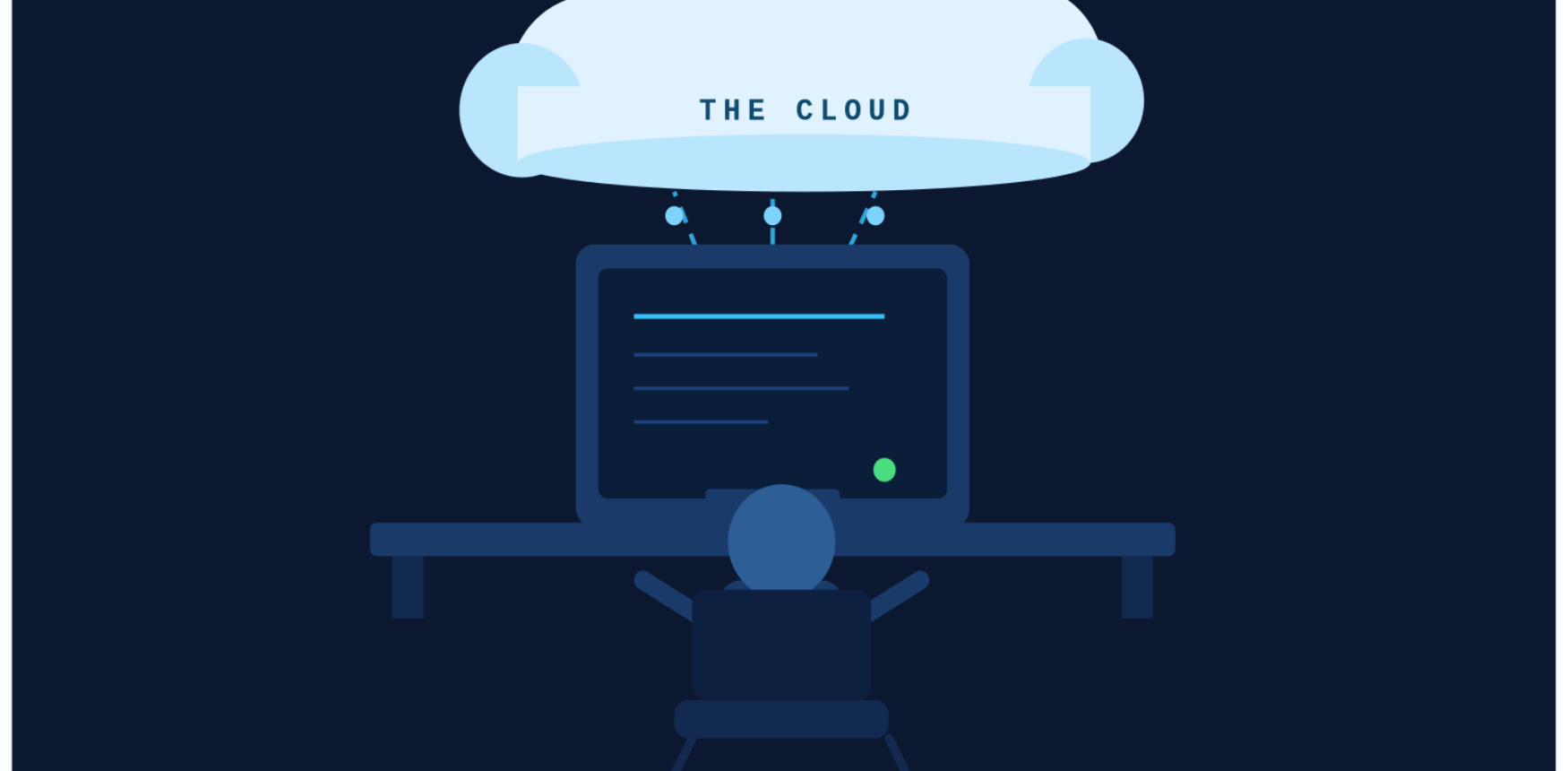
The cloud can sound to many of us like some sort of vague IT ‘code word’ that we never really bother to find out what it means. Some imagine their files floating in space somewhere above the internet when in reality, the cloud is much simpler to understand when properly explained.
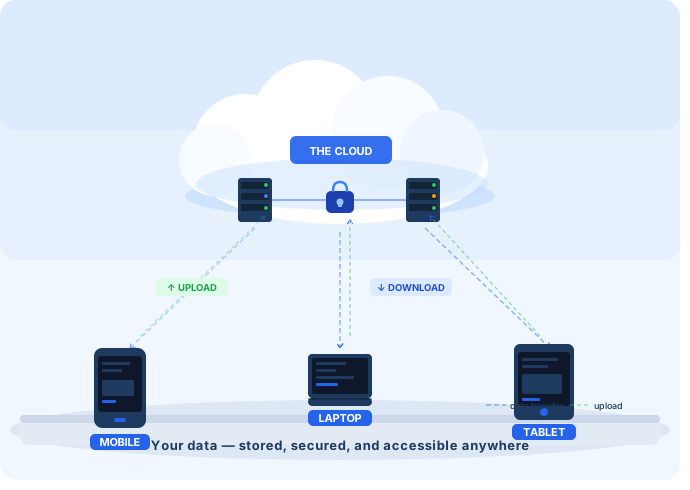
The cloud is just a network of remote servers (think ultra powerful computers) that store data and run software over the internet. Instead of saving your files only on your laptop or phone, you’re also saving them on these highly powered servers. They’re commonly owned by large technology companies such as Microsoft, Google, and Amazon – this is called a Public Cloud. There is also an option to store files on smaller servers, owned by your IT provider, such as Dataquest – this is called a Private Cloud.
These servers live in massive, highly secure buildings called data centres. They are spread across different countries, which means your information is secure, even if a disaster strikes a server holding your data. So, “the cloud” is really just a convenient way of saying: your data is stored somewhere else on the internet, not just on your device.
When you click “save to cloud,” here’s what actually happens in simple terms:
1. Your device sends a copy of your file through the internet.
2. That file travels to a data centre owned by a cloud provider.
3. The data centre stores it on one (or several) of its servers.
4. When you open the file later, your device retrieves it from those servers.
The important thing to understand is that your file is not “moving into the sky.” It is being copied and stored on servers that you can access anytime – if you’re online.
1. Access anywhere
You can open your files from any device, anywhere in the world, as long as you have internet access.
2. Backup and safety
If your laptop breaks or your phone gets lost, your files are still safe in the cloud.
3. Easy sharing
Instead of sending large email attachments, you can just share a link.
4. No need for big storage space
You don’t need to rely only on your device’s memory, because the cloud handles storage for you.
In short, the cloud makes technology feel smoother and more flexible in everyday life.
For most people and businesses, yes – the cloud is very safe. Cloud providers pride themselves in and value investing heavily in security systems; for their own sake, and users’. Cloud companies use encryption (which scrambles your data), multi-layer security systems, and constant monitoring to protect information. But users still need to be careful with passwords, access permissions, and suspicious activity. Anything connected to the internet, it is not completely risk-free. Security depends on both the provider and the user.
Even though the cloud is secure, there are still risks to be aware of:
1. Weak passwords
Using an easy or reused password, makes it much simpler hackers gain access to your cloud account.
2. Phishing attacks
Cybercriminals commonly trick users into giving away login details through fake emails or websites.
3. Misconfigured settings
If files are accidentally set to “public,” anyone with a link can view them.
4. Data breaches
Although rare, large-scale cloud providers can be targeted by cyberattacks that attempt to access stored data.
5. Lack of Multi-Factor Authentication Passwords
Passwords alone are no longer enough to protect cloud accounts. If a password is stolen through a phishing attack, data breach, or simply guessed, an attacker could gain access to your files. Multi-Factor Authentication adds an extra layer of security by requiring a second form of verification
P.s To be even safer you could always opt for Private cloud options, protecting your data that bit extra.
So like any concept, ‘The Cloud’ is not as complex and mysterious as you think, it just has to be explained to understand it. It is a very useful tool used globally helping people solve problems they don’t even know they have. Incorporating preventative measures to protect your data is a must and should strategised by your trusted managed service provider. Want any further knowledge on this or unsure where to start with incorporating The Cloud, get in touch with one of our experts and contact us.

Read full story

Read full story

Read full story

Read full story

Read full story
Read full story

Read full story

Read full story

Read full story

Read full story