

September 25, 2026
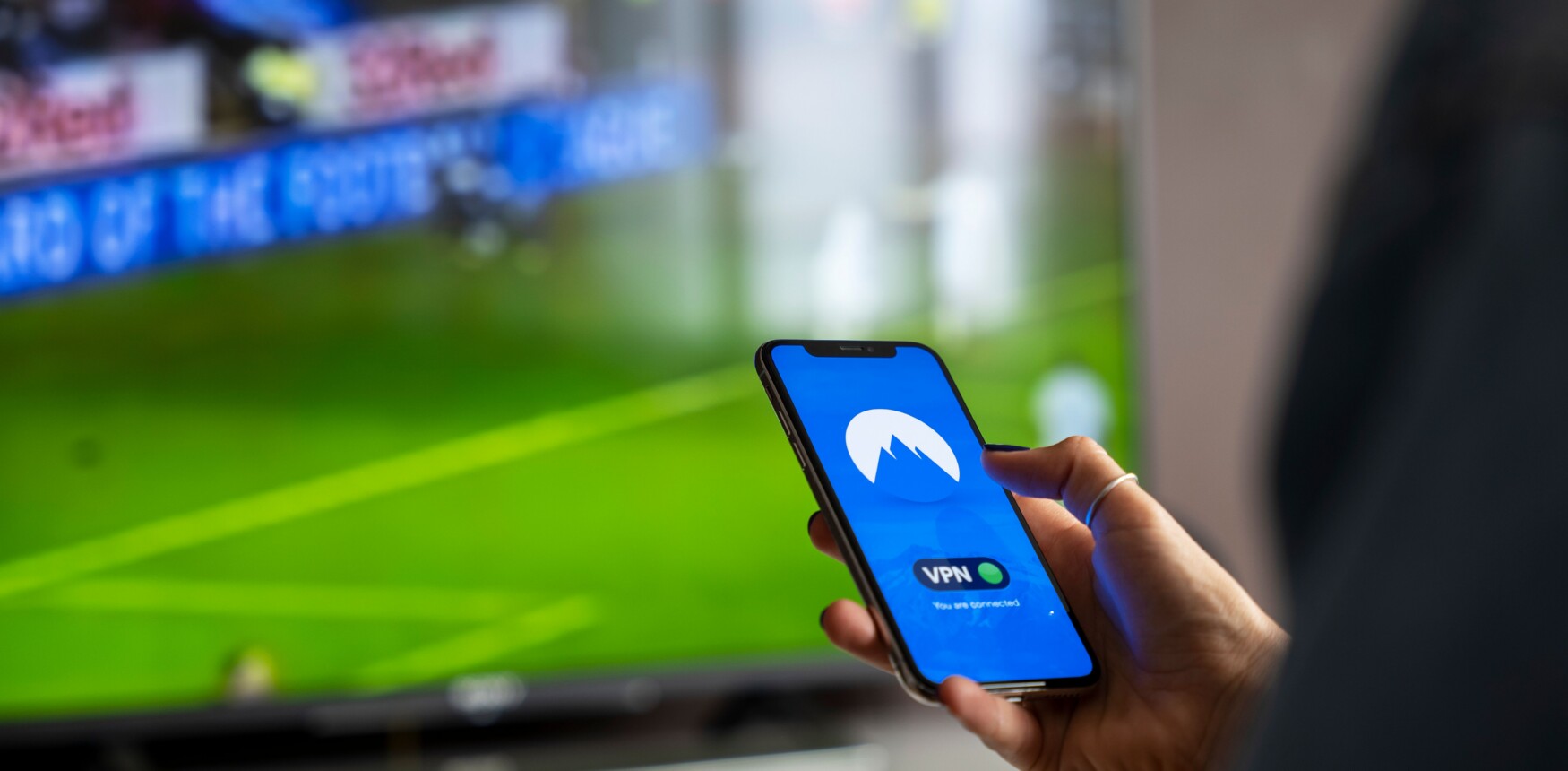
Whether you check your bank account, shop online, work in cafés, or simply scroll through social media, we spend a huge amount of time connected to the internet. So, it makes sense to think about how we can keep our online activity more private and secure considering how much time we spend on it with all our information. But what is a VPN, how does it work, and do you really need one?
VPN stands for Virtual Private Network. It might sound complicated, but the basic idea is actually simple.
It creates a more secure connection between your device and the internet, it helps protect your online activity by sending your internet traffic through a secure server.
It’s like putting your internet connection inside a private tunnel. Instead of your internet traffic travelling directly from your device to the websites you’re visiting, it takes a detour through the VPN server first.
One of the main things a VPN does is hide your IP address. Your IP address is a little bit like a return address for your internet connection. It can give websites information about the network you’re connecting from and your approximate location. And think of it in human terms- you would find it odd if random people you don’t know having your address and knowing exactly where you are, anyone would.
When you use a VPN, websites will generally see the IP address of the VPN server instead of your own.
So, in simple terms, a VPN can give you more privacy and an extra layer of security when you’re online.
You don’t need to understand all the technical details to understand how a VPN works.
Normally, when you go online, your device connects to the internet through your internet service provider. When you visit a website, your connection goes between your device and that website, whereas with a VPN, your internet traffic first goes through a VPN server.
The VPN can encrypt the connection between your device and the VPN server- so scrambles the information so that it’s much harder for someone else to understand if they manage to intercept it. It also means the website generally sees the VPN server’s IP address rather than your real IP address.
For example, imagine you’re sitting at home in London and connect to a VPN server in another city. A website may see the server’s location rather than your actual location.
HOWEVER, it’s worth remembering, though, that it doesn’t make you completely invisible online. Websites can still use things such as cookies, accounts and other tracking technologies to recognise you.
1. Better Online Privacy
Hiding your IP address from the websites you visit help keep your connection between your device and the server encrypted.
It isn’t a magic privacy button, but it’s a useful extra layer of protection.
2. Safer Public Wi-Fi
Public Wi-Fi is incredibly convenient, but you don’t always know how secure the network is or who else is using it. This is where using a VPN on public Wi-Fi can add another layer of protection by encrypting the connection between your device and the VPN server.
3. Protecting Personal Information
With regularly sending sensitive information over the internet, from passwords and emails to payment details and work documents a VPN can help protect your internet traffic. Cyber attacks are common and it’s important you learn how to deter them before it affects your cyber health.
HOWEVER, of course, a VPN isn’t a replacement for strong passwords, two-factor authentication or other good security habits.
4. Accessing Content From Other Regions
Some people use VPNs to access websites or online content that is available in another region, where doing so is permitted by the service and applicable laws.
For example, online services can sometimes show different content depending on the country you’re connecting from.
Like most pieces of technology, as well as VPNs having their good sides they also have downsides.
VPN Advantages- as stated above
So, who actually needs a VPN?
Well it is up to your personal preference, but EVERYONE can use one for an extra layer of security.
So if you connect
You don’t necessarily need to use a VPN for everything, either. Good online security is usually about using several layers of protection rather than relying on one tool.
For many people, it can be a useful addition to their online security setup.
It can help protect your connection, hide your IP address and give you more privacy when browsing the internet. This can be particularly helpful when you’re using public Wi-Fi or connecting to the internet from unfamiliar locations.
However, it’s important to have realistic expectations. It won’t stop every form of online tracking, protect you from every scam or make you completely anonymous.
Think of it as a useful tool in your online privacy toolbox, rather than a complete solution to every internet security problem.
There are so many types of VPNs and it is important to find the one works best for you and your computer, going online and looking at reviews is key.
In the simplest terms, it’s a tool that creates a more secure connection between your device and the internet by sending your traffic through a server.
It can hide your IP address, add encryption to your connection and give you an extra layer of online privacy and security.
Whether you’re working remotely, travelling, using public Wi-Fi or simply want a little more privacy while browsing, it is definitely worth considering.
Just remember: it isn’t a magic shield that makes you completely anonymous online. Choose a trusted provider, understand what the service actually offers, and continue using other good security habits.
At the end of the day, it is simply another tool that can help you feel a little safer and more private while you’re online.

Read full story
Read full story

Read full story

Read full story
Read full story
Read full story
Read full story

Read full story
Read full story

Read full story